In this article
Start with the journeys you repeat
Write down the destinations you use each week: work, school, shopping, sport and family visits. Test the routes from each shortlisted property at the times that matter to you. Two homes within the same named area can have different access and traffic conditions.
Allow time to understand the final approach to a home, including parking, turning, lighting and the route on foot where relevant. A regional map and an advertised distance are a starting point for a viewing, not a travel-time guarantee.
Compare the immediate setting
A village setting, a hillside residence and a managed development can involve different trade-offs in privacy, access, outdoor upkeep and shared rules. Identify what you value before comparing the asking prices.
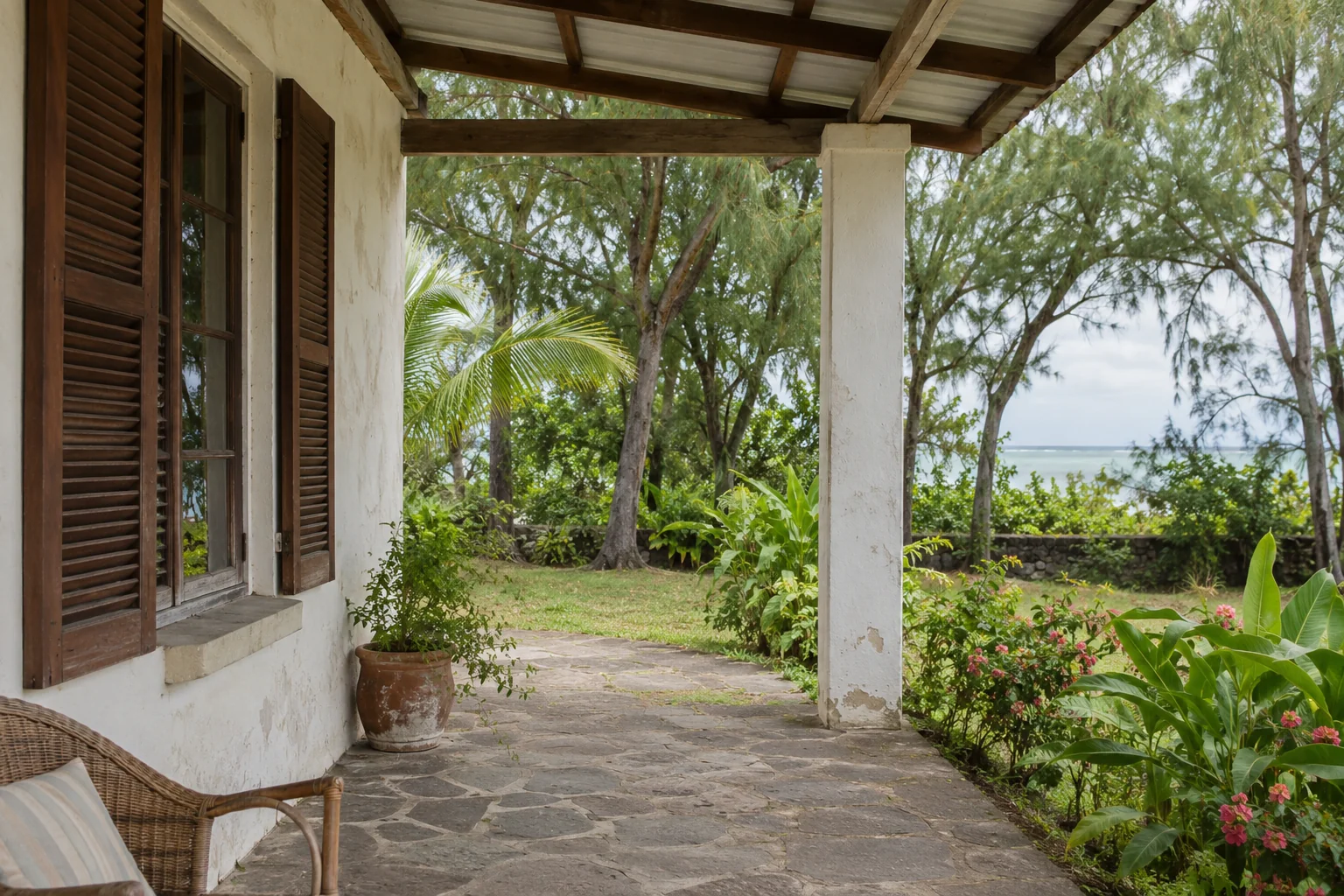
For either area, ask what a view or coastal-access description means for the particular property. Check the orientation and outlook from the rooms and outdoor spaces you will use. Do not infer legal beach access or a protected view from a photograph.
Choose a property type and a whole budget
A house offers a different balance of responsibility from an apartment in co-ownership. Compare usable space, parking, garden maintenance, shared charges and any work required. Ask which unit the area figures use and what is included in the sale or rental.
Keep transaction or tenancy costs separate from the advertised price. If the home is in a development, request the actual rules and charge schedule. Where acquisition permission is relevant, establish the permitted route for that specific home before committing.
Use both area guides and matching listings
Read the Tamarin and Black River guides, then browse the matching sale collections. Write down the reference of each suitable home and the question you want to resolve at the viewing. The useful comparison is between homes that meet the same brief.